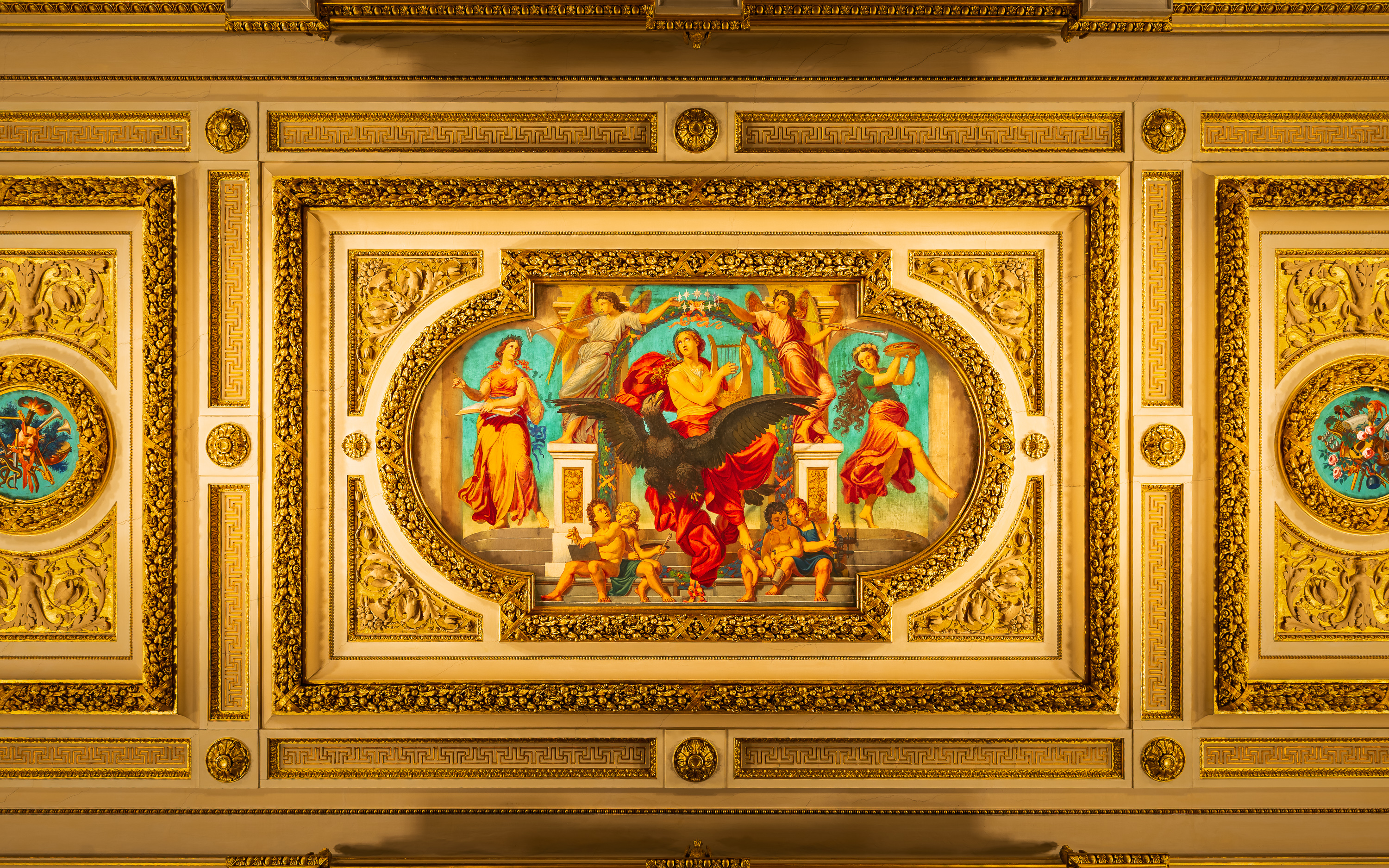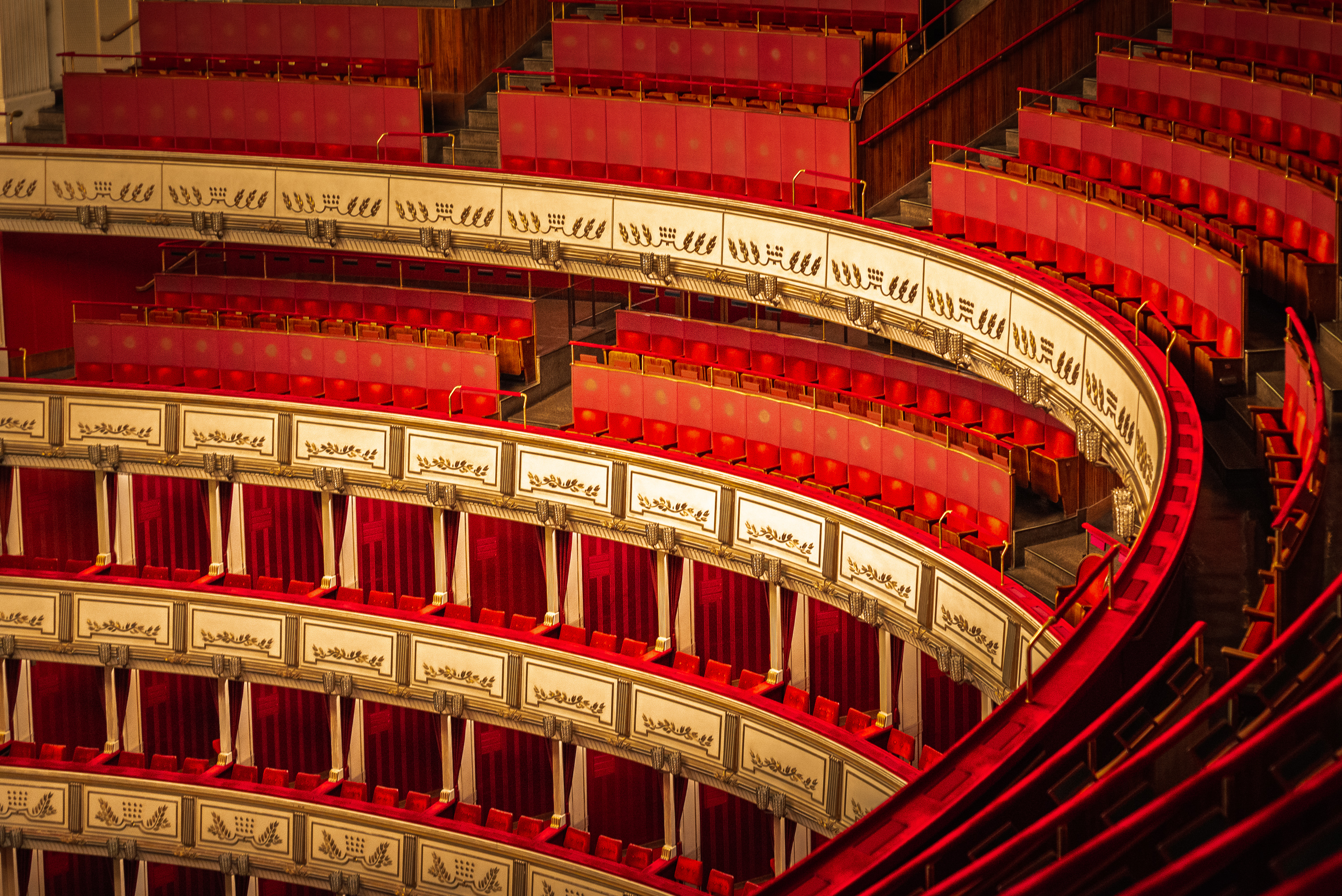
A high-angle interior view showing the grand, curved balcony tiers of the Vienna State Opera (Wiener Staatsoper). The auditorium features opulent red velvet seating, intricate cream-colored panels decorated with gold floral ornaments, red velvet curtains, and plush red handrails. The elegant classical design showcases multiple levels of seating, currently empty, creating a sense of quiet grandeur and luxury.

Wiener Staatsoper

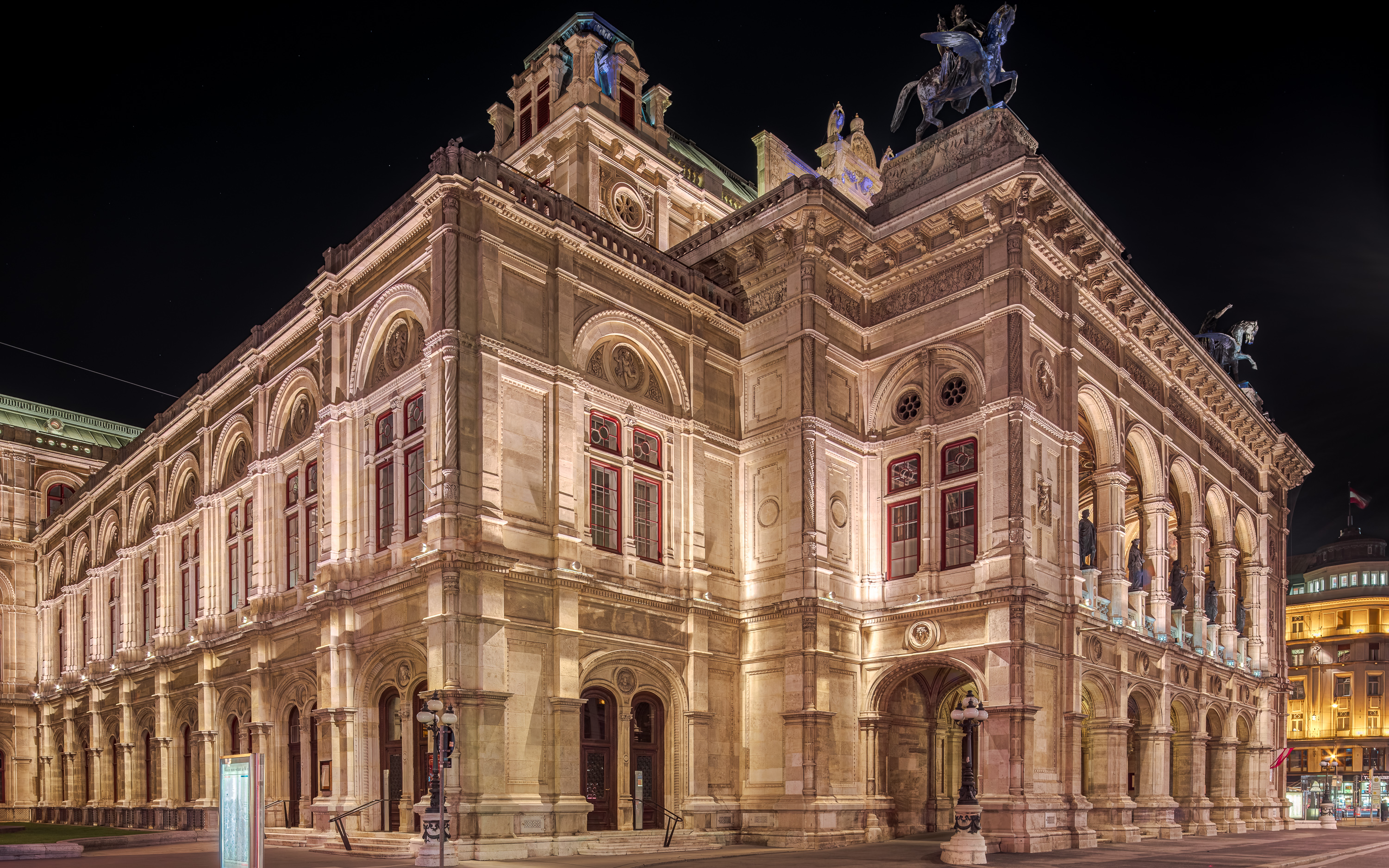
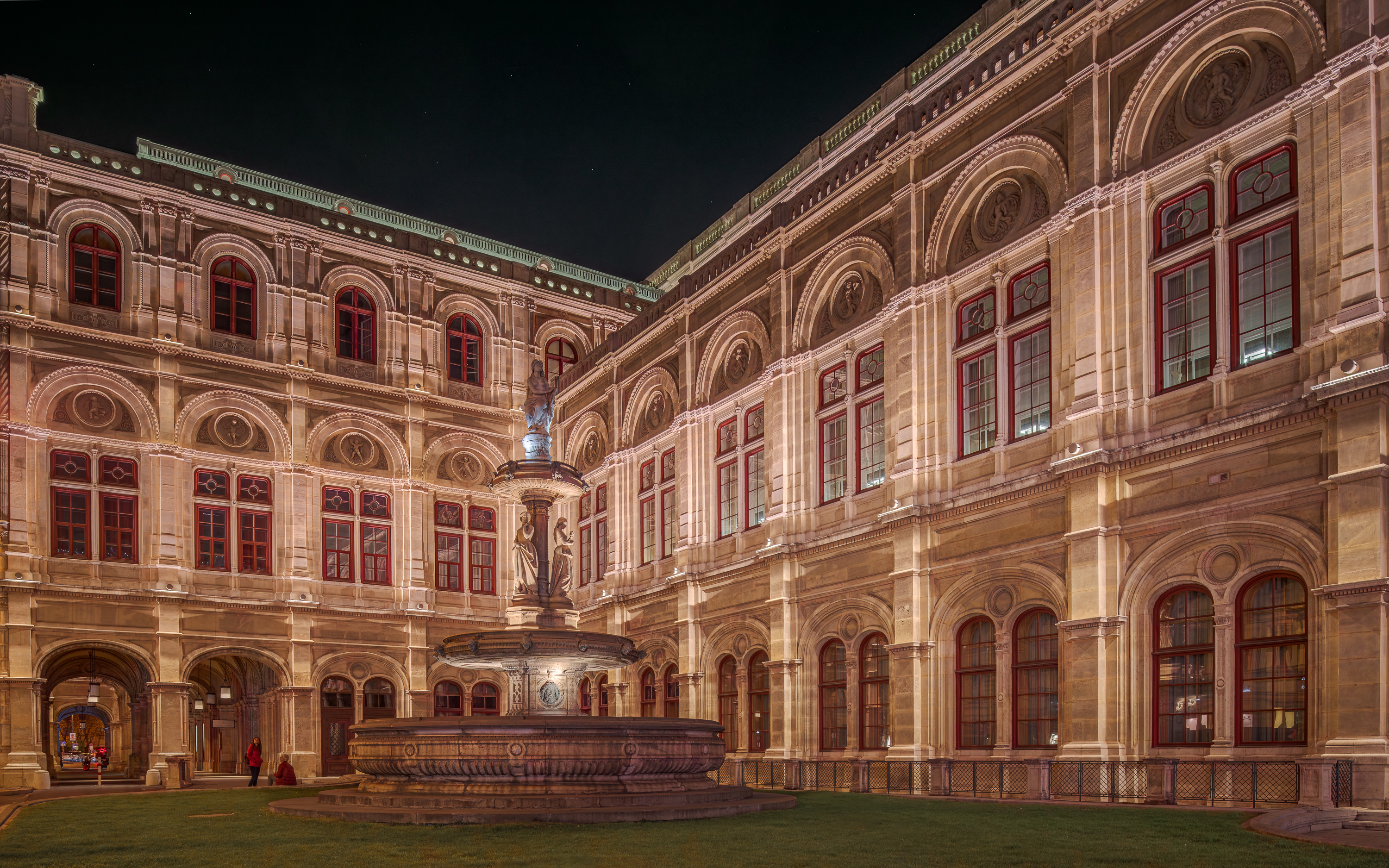
The Wiener Staatsoper was the first major public building project on Vienna’s Ringstrasse. It opened in 1869 with Mozart’s Don Giovanni. After wartime bombing, the auditorium was rebuilt, and the house reopened in 1955 with Beethoven’s Fidelio. It remains one of Vienna’s most recognisable buildings and a centre of the city’s musical life.

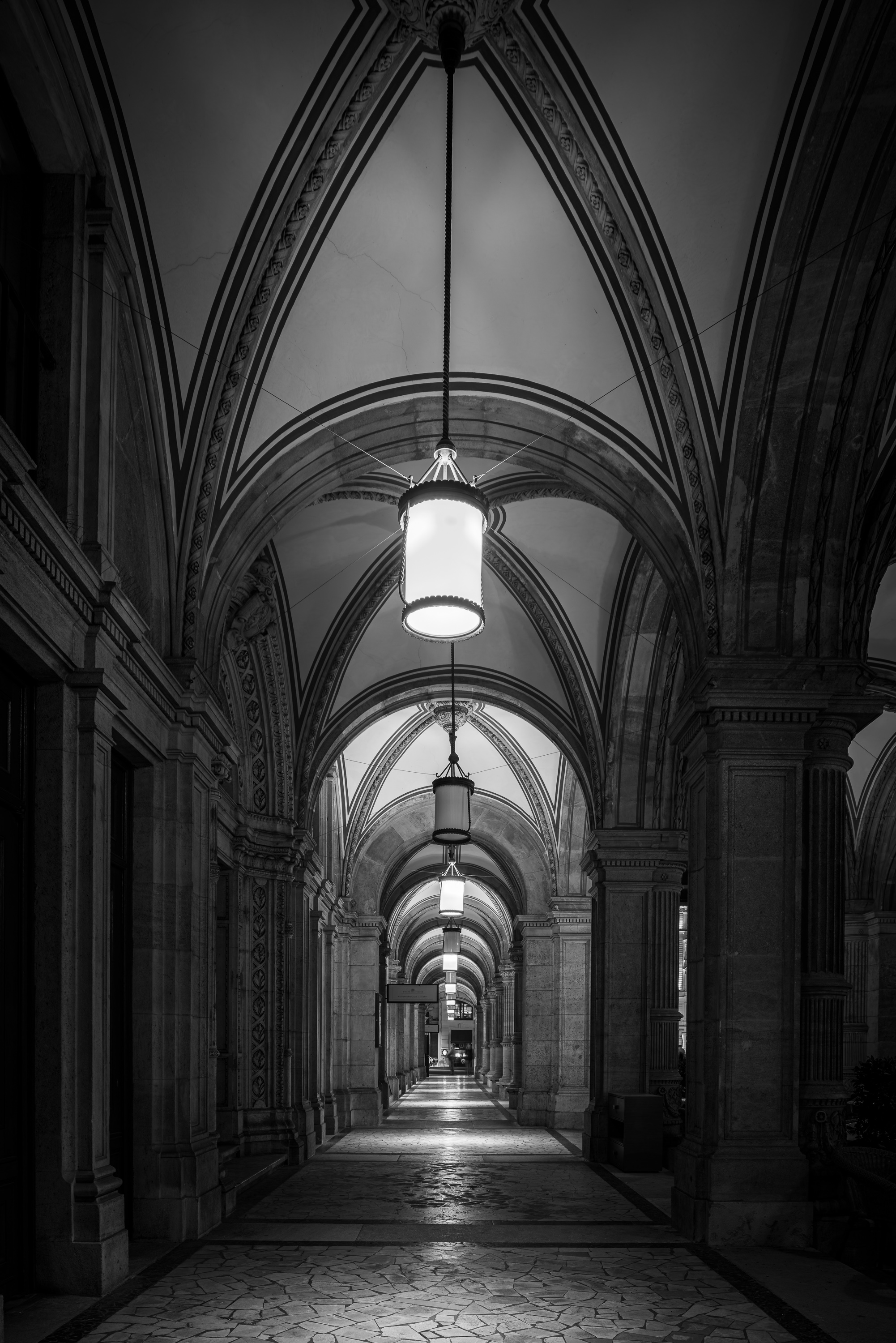
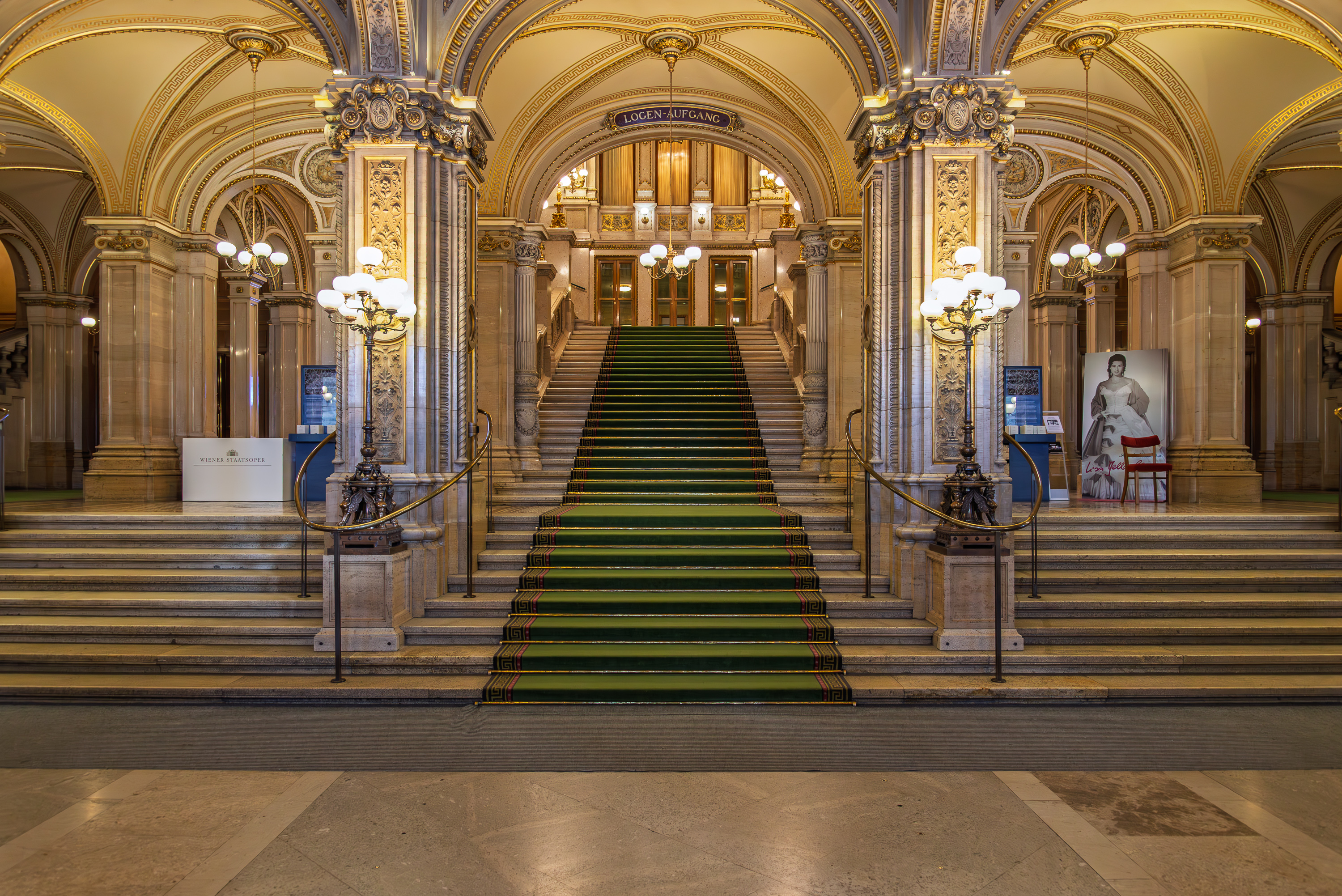
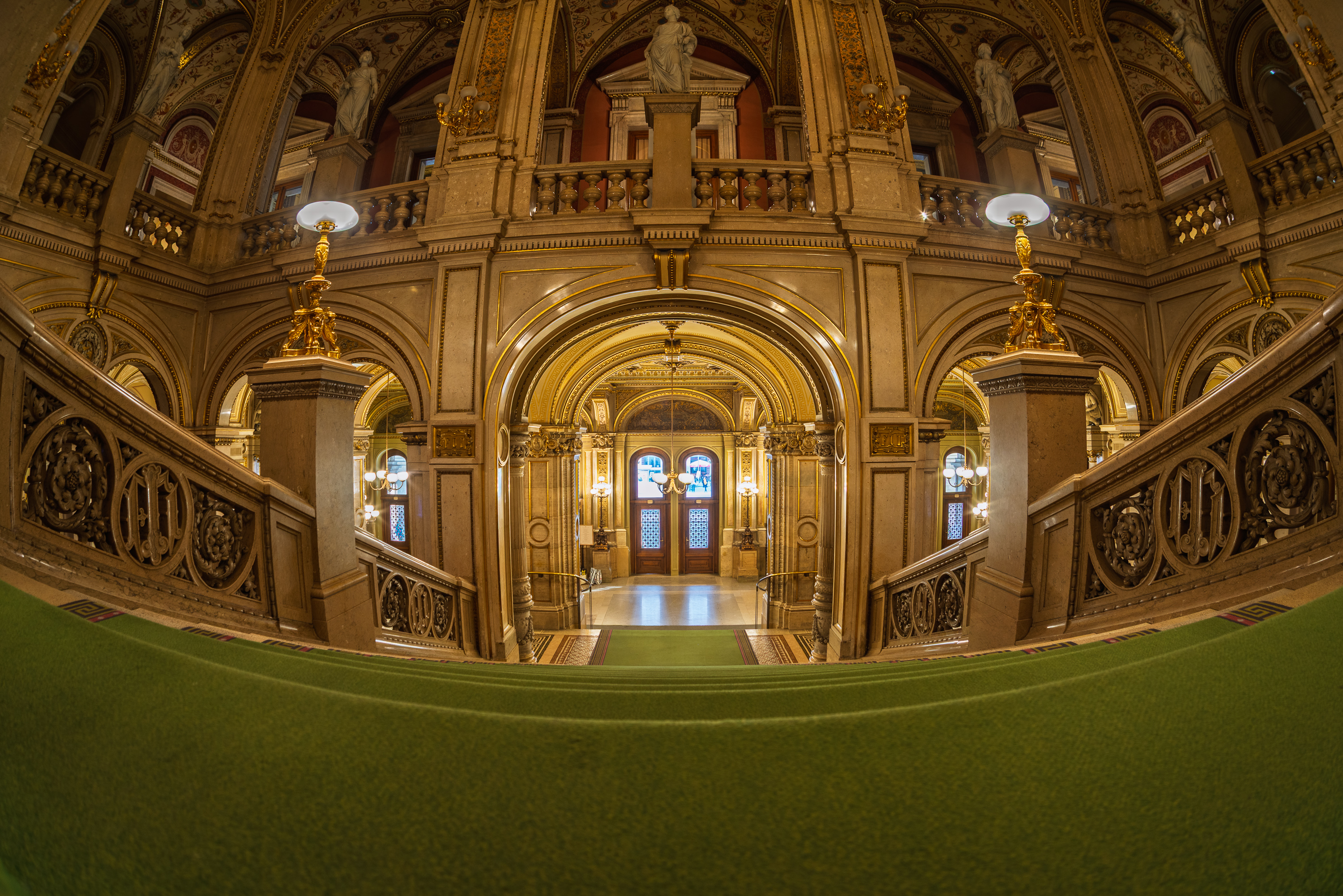
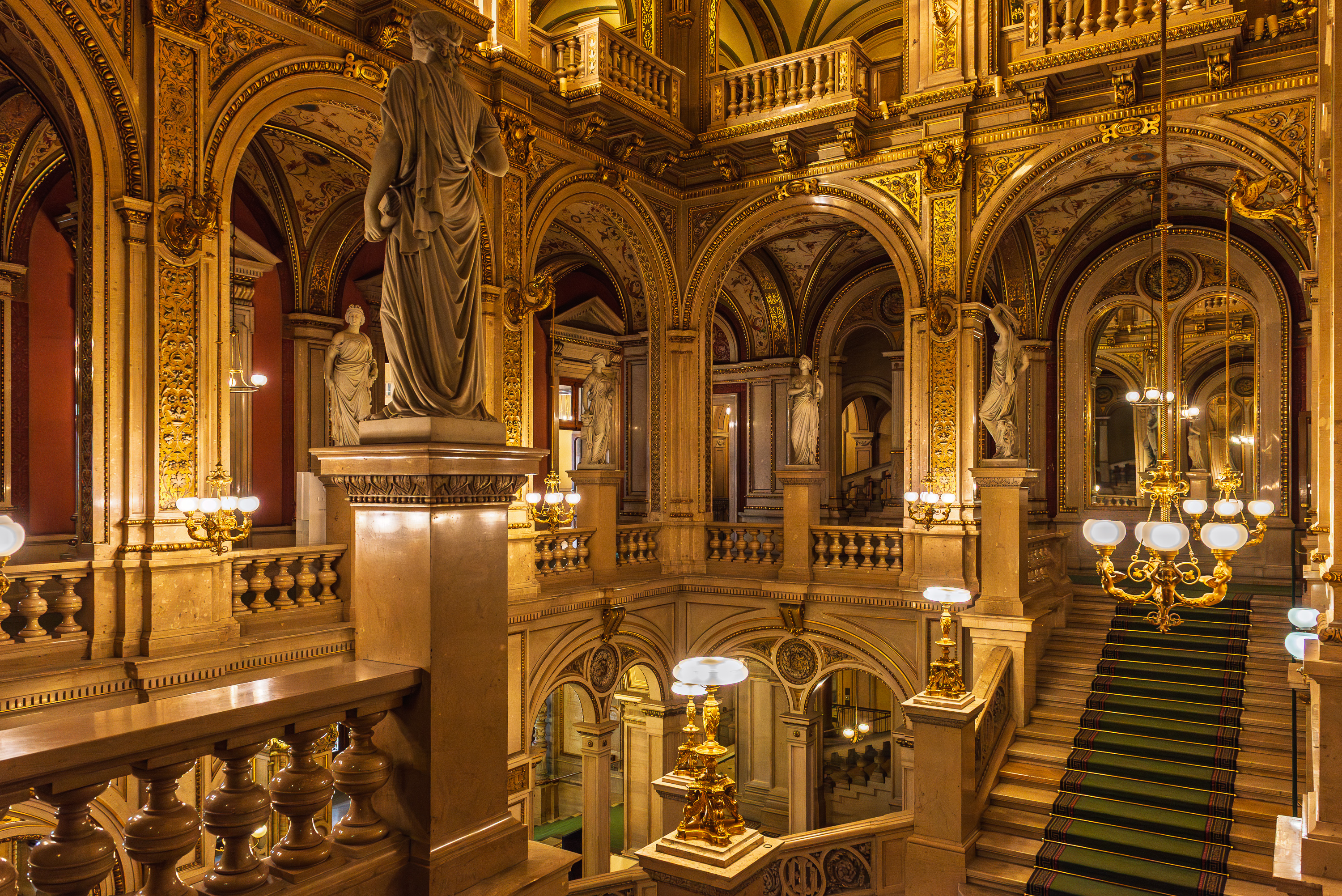
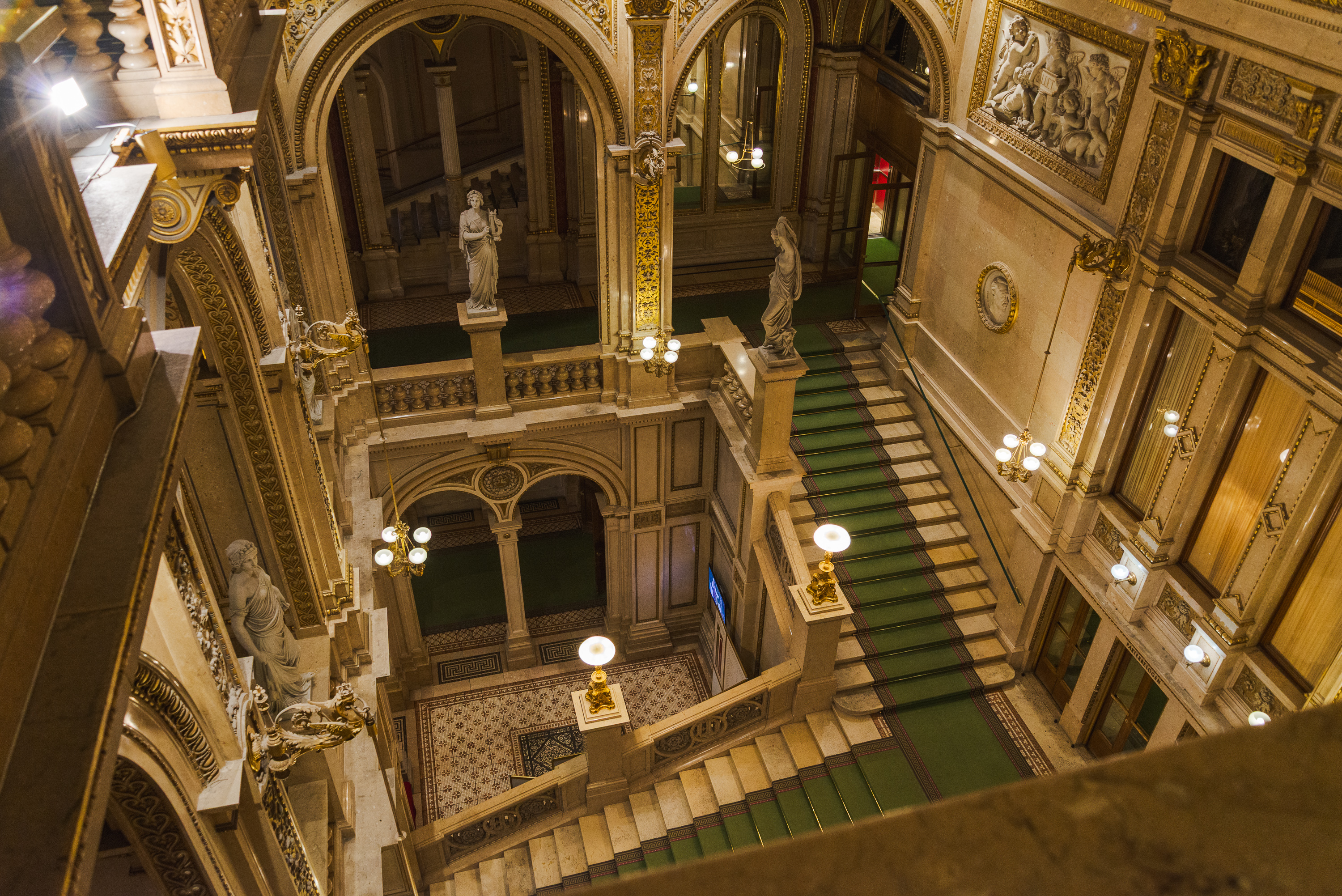
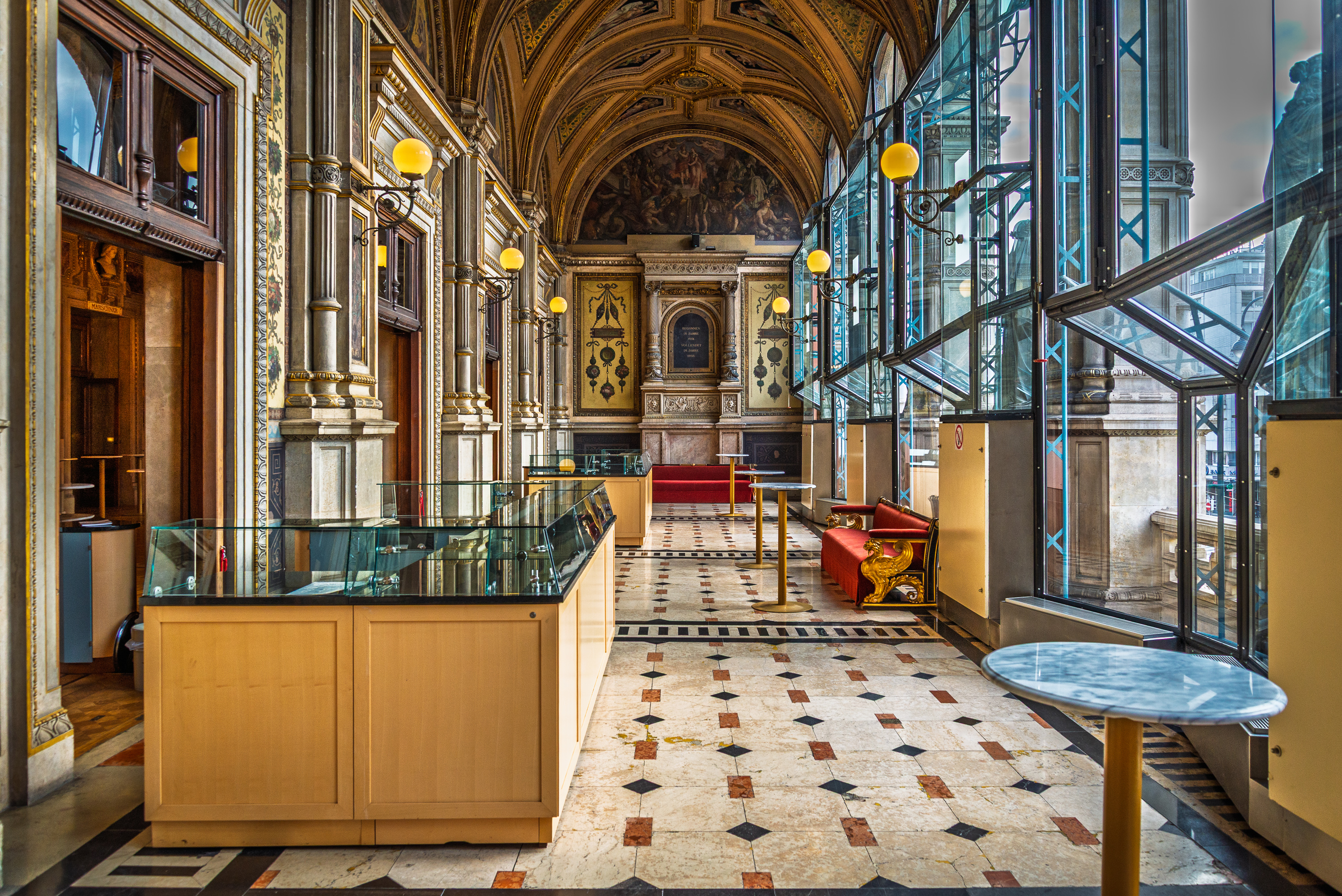
I took these photographs between 2013 and 2018, while I was working at the opera house. The series begins outside at night, then follows the arcades and the grand staircase into the building. From below, the green carpet draws the eye up the stairs. From above, you can see how the flights and landings fit together.

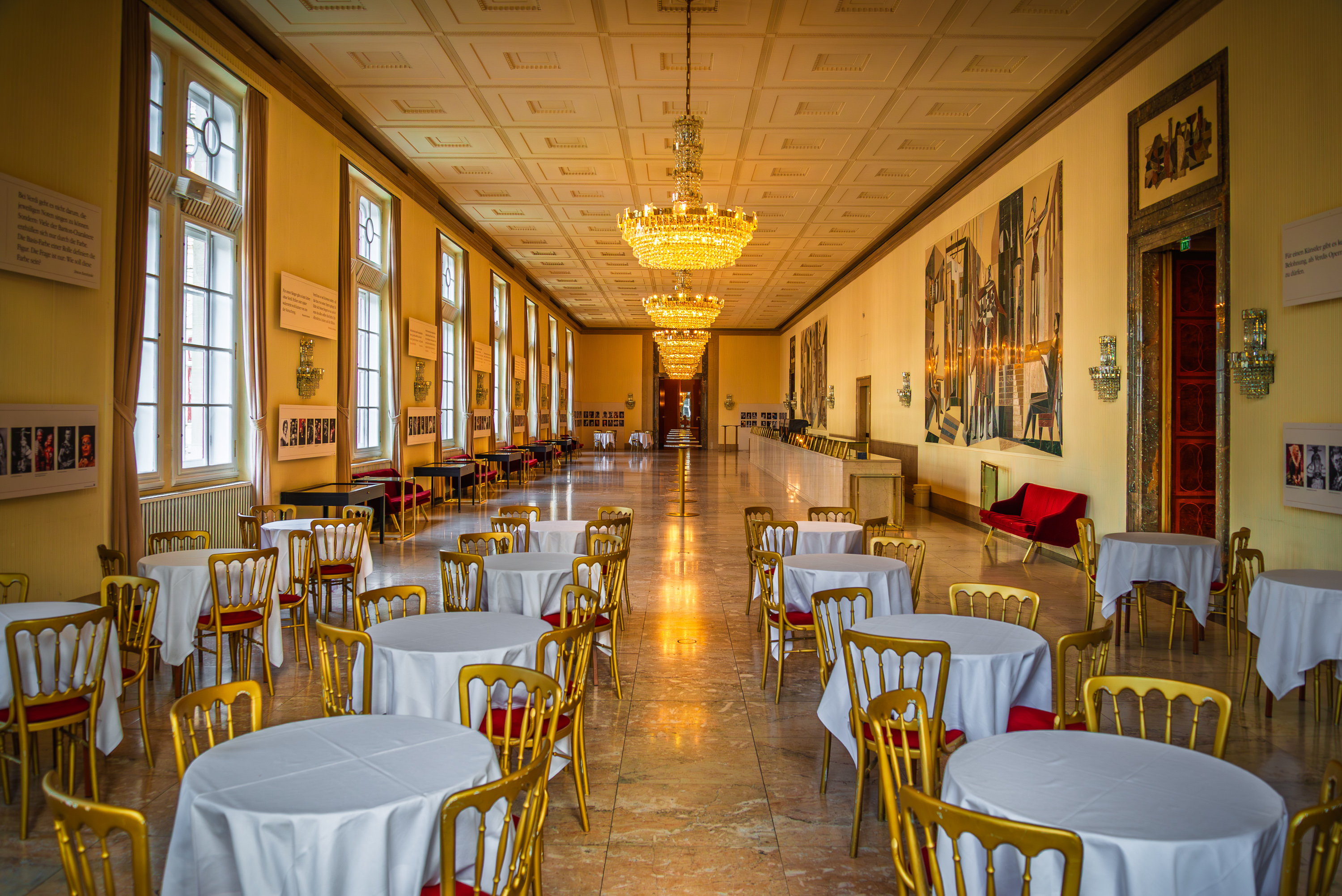
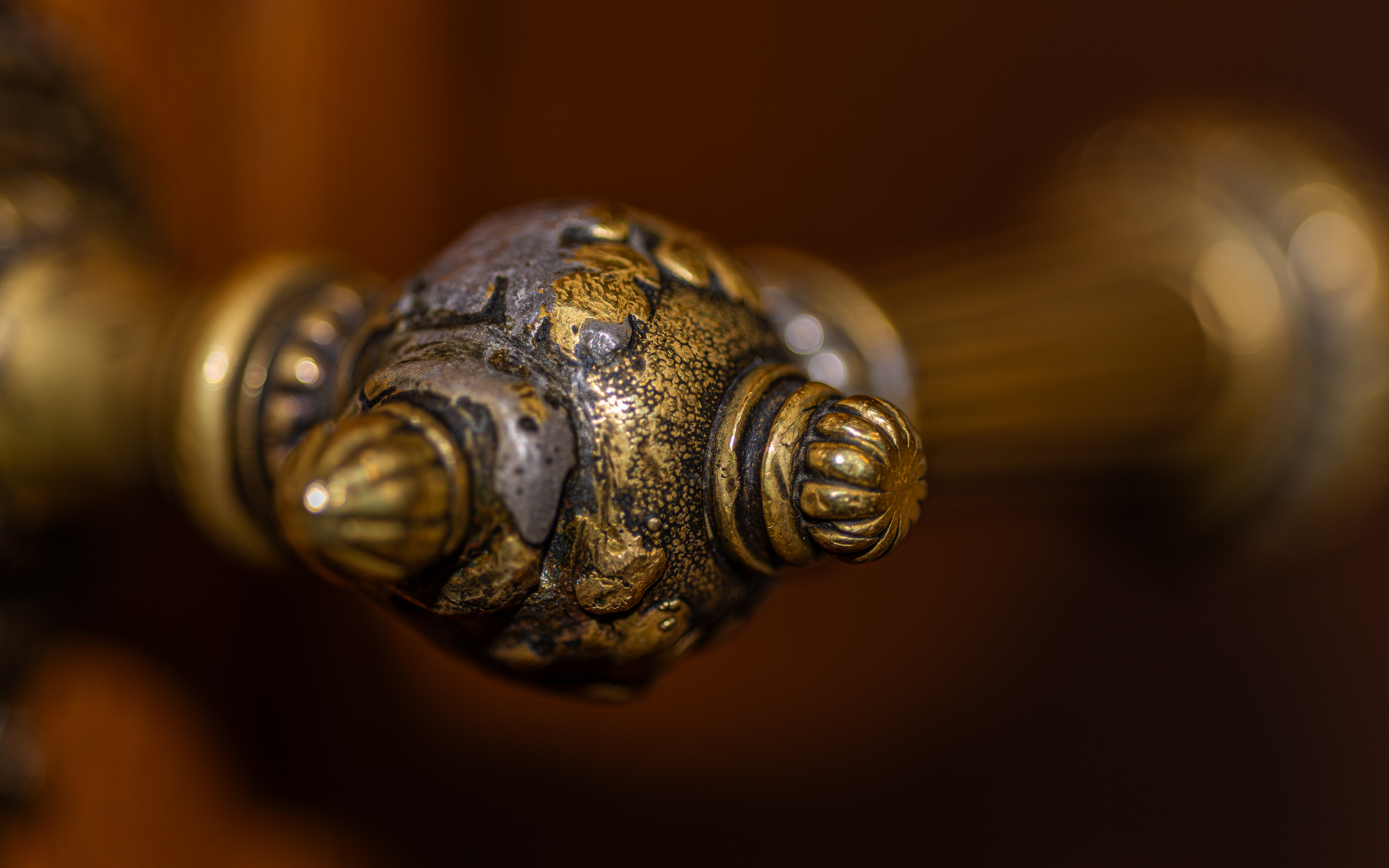
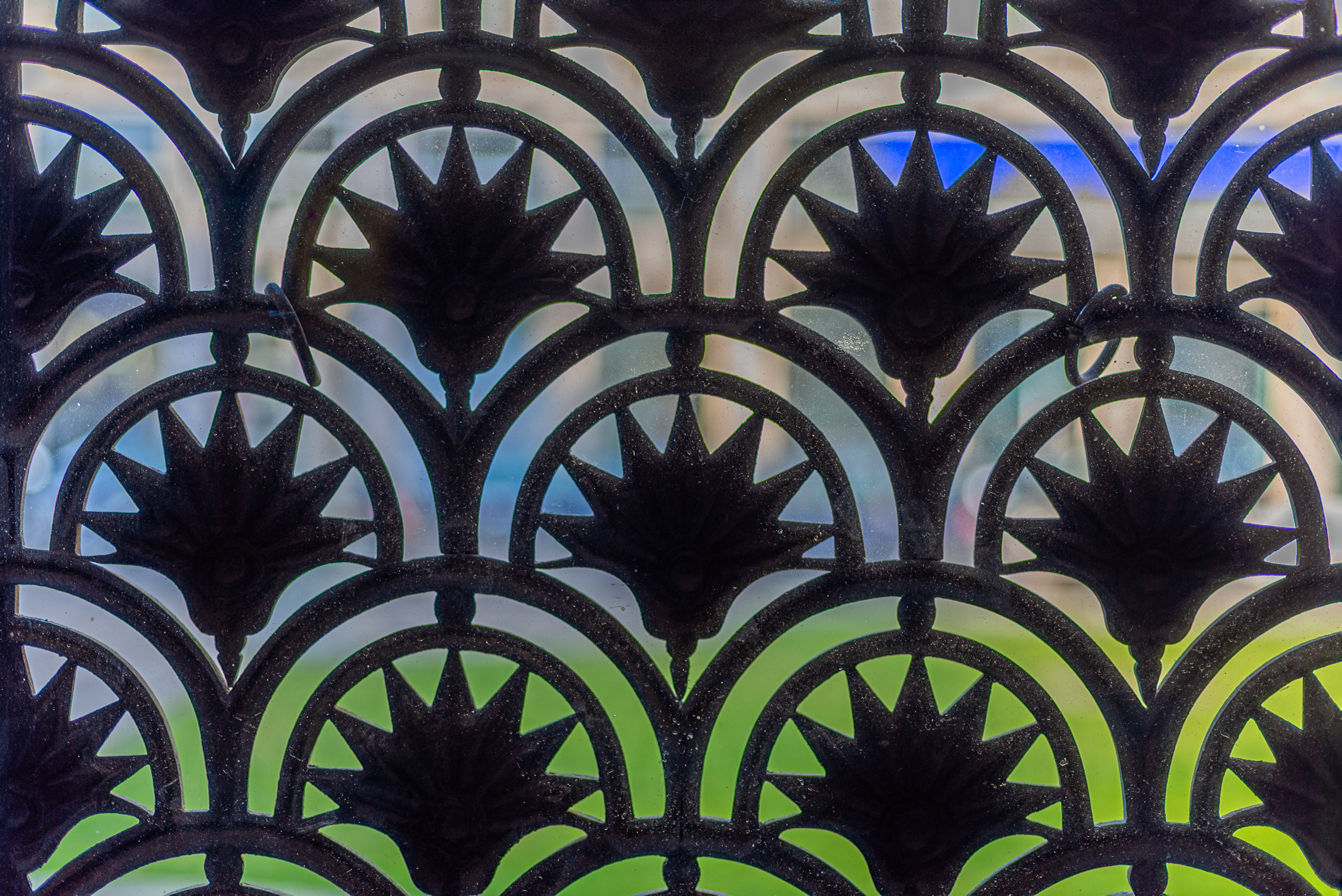
In the foyer, daylight from the tall windows falls across white tablecloths. In the Tea Salon, a red carpet leads to a mirror at the far end. I also stopped for smaller details I could easily have walked past, like the worn brass of a door handle and the repeating curves of an iron grille.

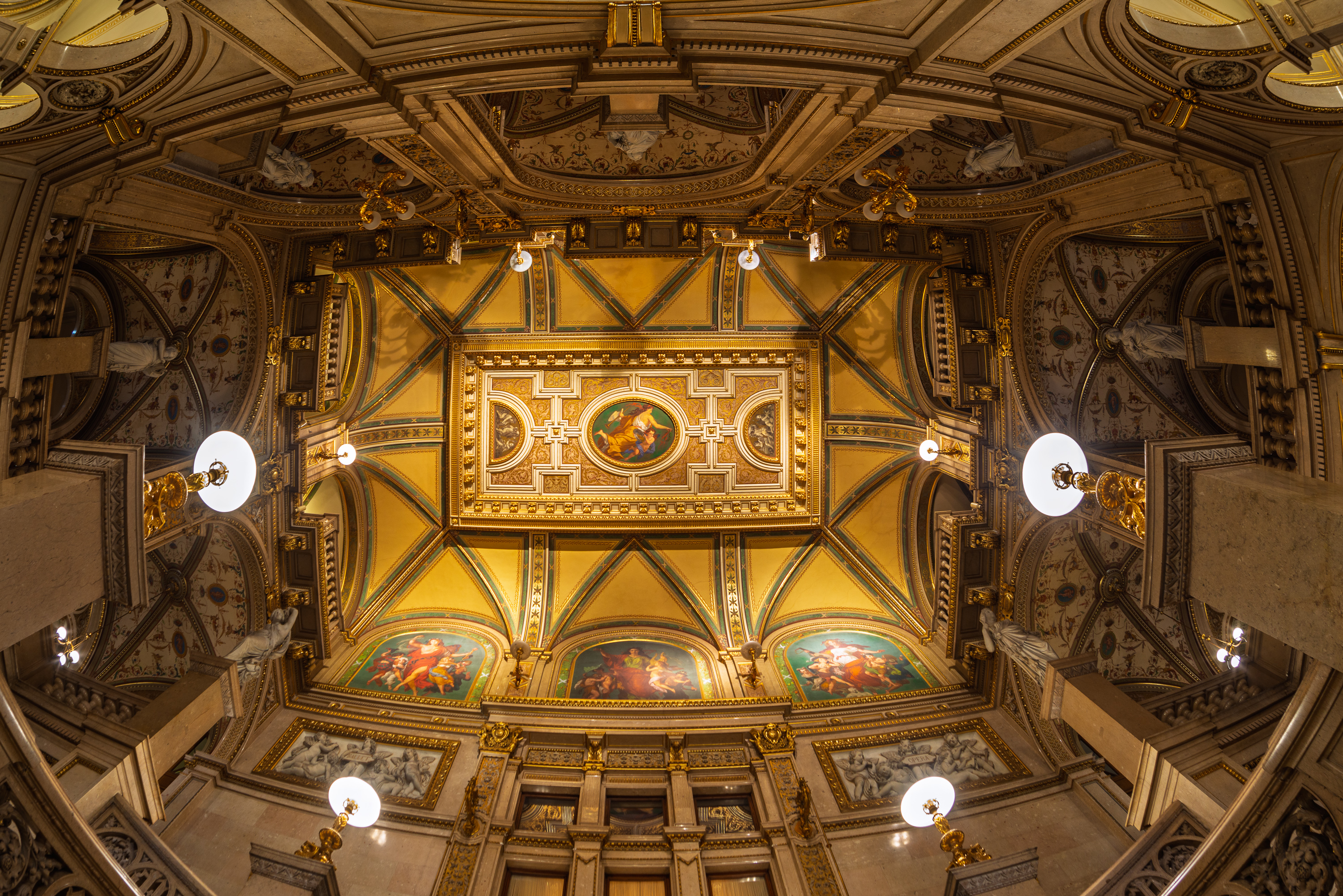
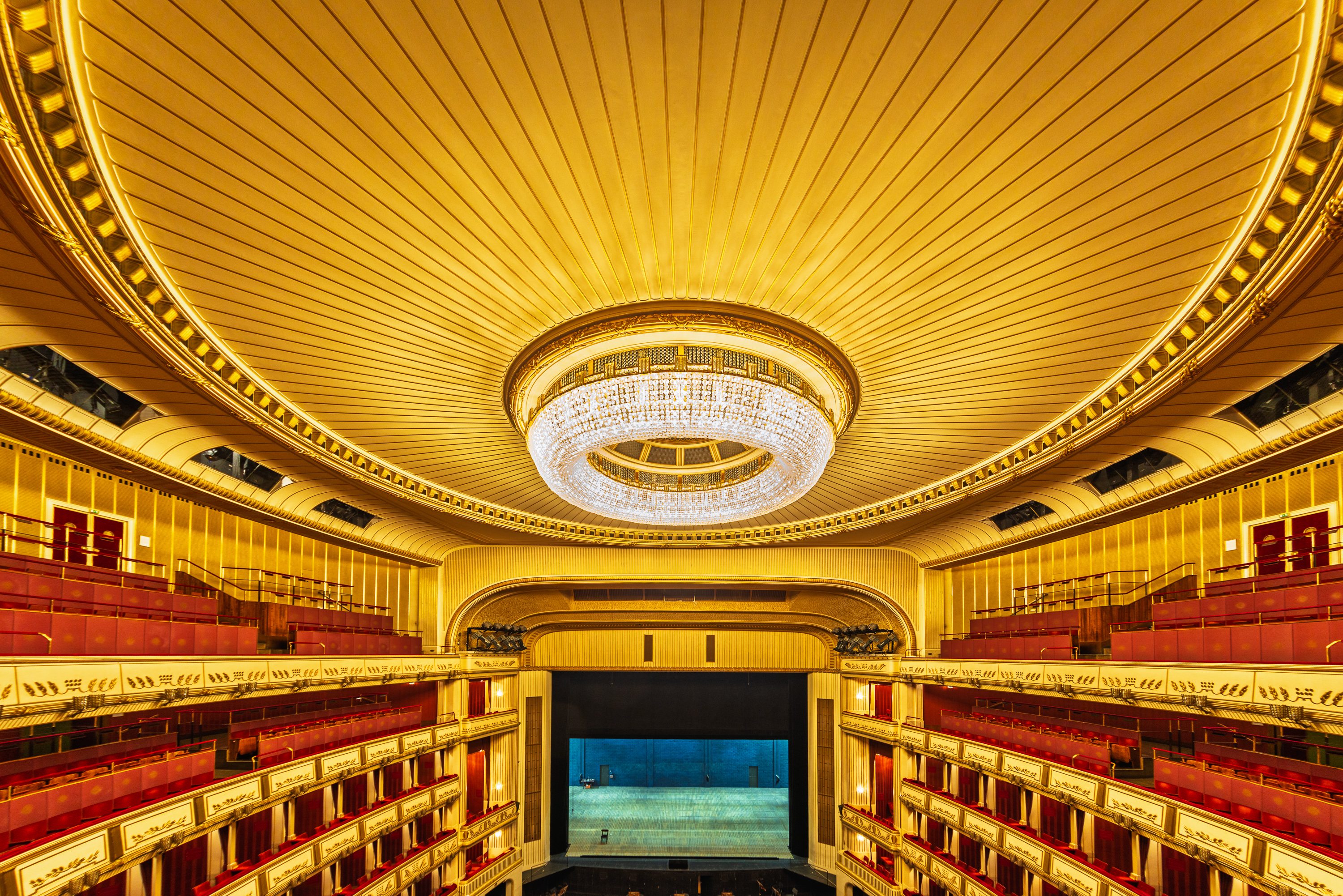
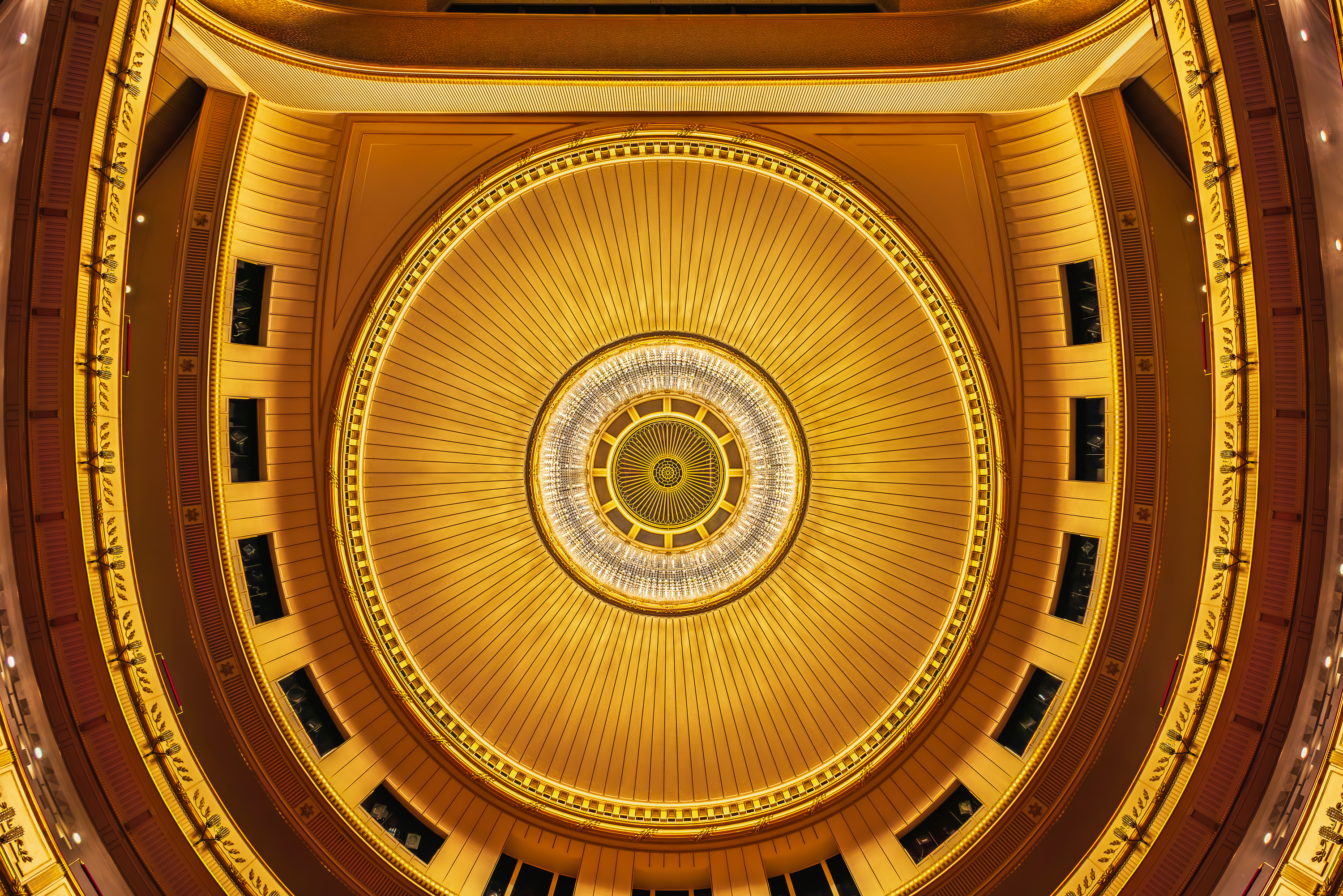
From low in the stalls, the seat backs frame the aisle and the balconies curve around you. The series ends with a look straight up, where the lines of the ceiling converge on the chandelier.

How to use the photo viewer

Open any photograph to view it in high resolution. Use the icons in the top-right corner to start a slideshow, view photo details and camera settings, or see where the photograph was taken when GPS data is available. On a phone, swipe left or right to browse the photographs.

Please respect my copyright and contact me if you’d like to reproduce or use any of my photographs.
Similar Posts

  • Mixnitz 2017-2020

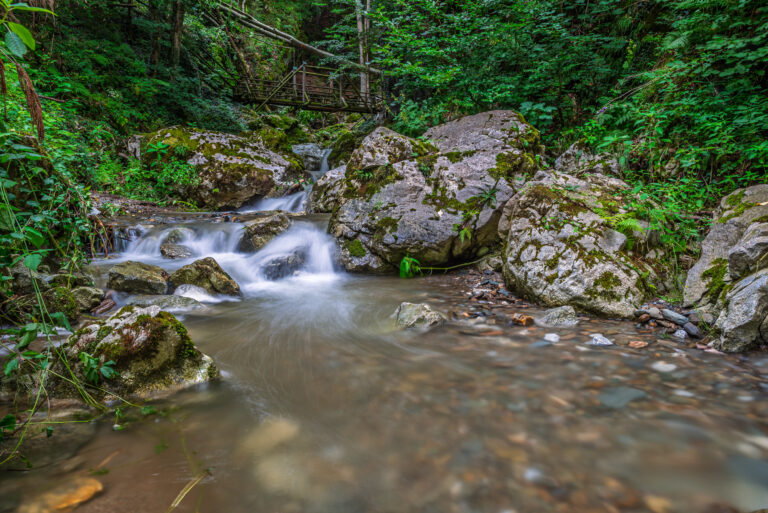
    The stream near Mixnitz changes character over short distances. In one spot, it spreads in a thin sheet over flat rock. A little farther on, it drops between boulders or fans out over moss. The wider views show how the water moves through the gorge. Up close, there is time to notice the colour of the wet stone and the small things growing along the bank.

  • Grüner See 2019-2023

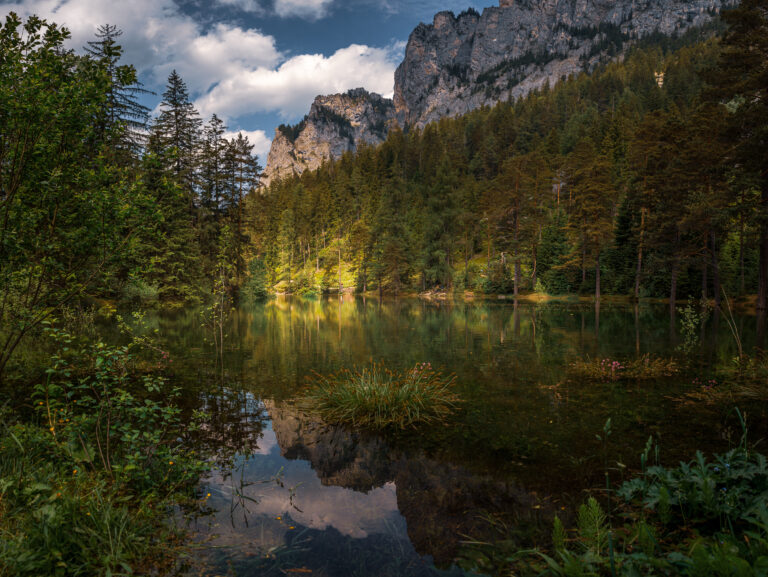
    Through the trees, the Grüner See first appears as a strip of turquoise. From the shore, you can see the stones beneath the surface and the cliffs reflected above them. A few steps along the bank change how much of each you see. In some of these photographs, the lake reflects almost the whole mountainside. In others, a rock at the water’s edge or a patch of light on the far shore holds the view.

  • Andalucía 2026

    In the Alhambra, I kept looking up. In some rooms, the carving continues from the walls into the ceiling, and a narrow opening can let in just enough light to pick out the detail. Later in the trip, I found myself looking at rock in a different way. In Setenil de las Bodegas, it hangs over doorways and roofs. At Ronda, the Puente Nuevo spans the gap between two cliff edges. These photographs are from July 2026, with a stop in the Sierra Nevada and a final view of Gibraltar from the beach at La Línea de la Concepción.

  • Luxor 2024

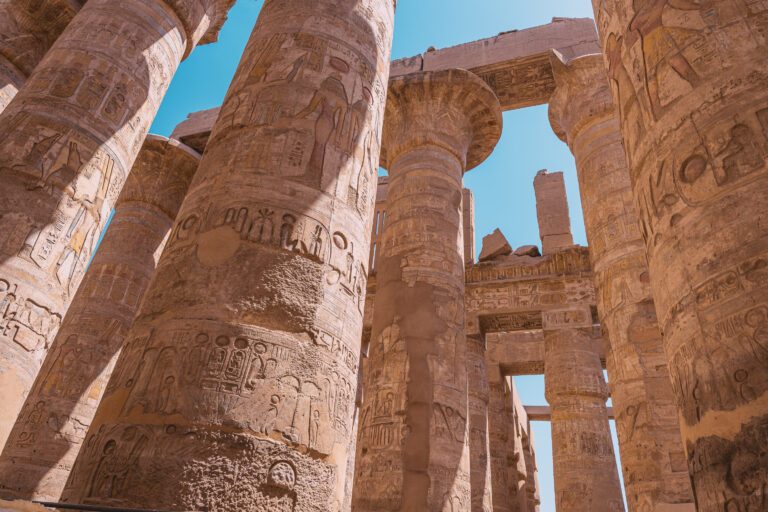
    In the open courtyards of Luxor, the sun makes every edge stand out. Between the columns, shadows fall across the carved stone and change which details you can see. This series moves from temple entrances and rows of statues to reliefs that fill the frame. From the Nile, the temples appear at a different scale, with the river in front and the dry hills beyond.

  • Toscana 2024

    In Firenze, the Arno opens up between rows of buildings. In Lucca, the view goes out over the rooftops, and in Portoferraio the houses rise in layers above the harbour. Farther inland, the rhythm changes again, from the rows of cypresses near Bolgheri to the towers of San Gimignano above the hills. These are the views I kept coming back to when putting together this series from October 2024.

  • Schönbrunn 2013-2018

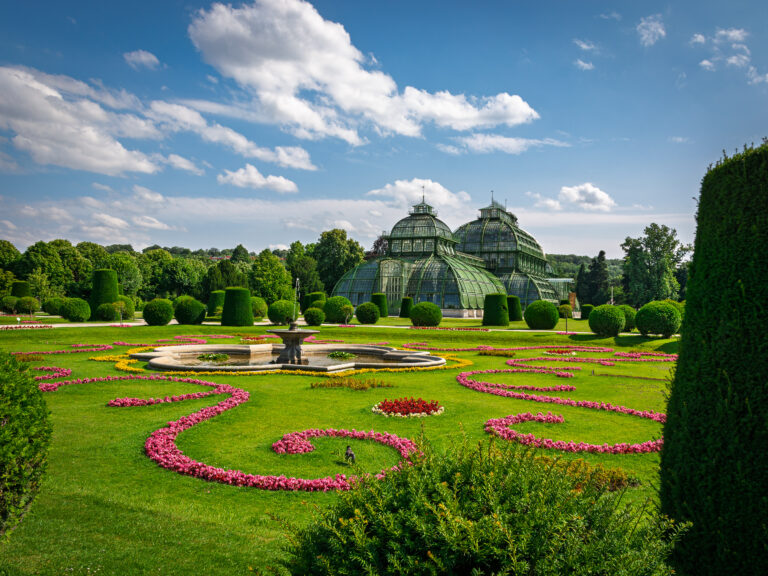
    The Palmenhaus looks different each time it appears in this series. In winter, its green ironwork stands out against the snow. In summer, the flowerbeds draw the eye across the garden, and at dusk the building comes into view between two dark tree trunks. The paths change just as much. A green tunnel in one photograph becomes a passage of bare branches in another. Those recurring views are the thread through this series of Schönbrunn.